When the Downtown Died
Walk through any major American downtown at 2 PM on a Tuesday. The silence is deafening. Office towers stand like expensive tombstones, their windows dark, their lobbies echoing with the ghosts of pre-2020 hustle. Remote work didn’t just change where we work. It gutted the economic engine that powered urban culture for decades.
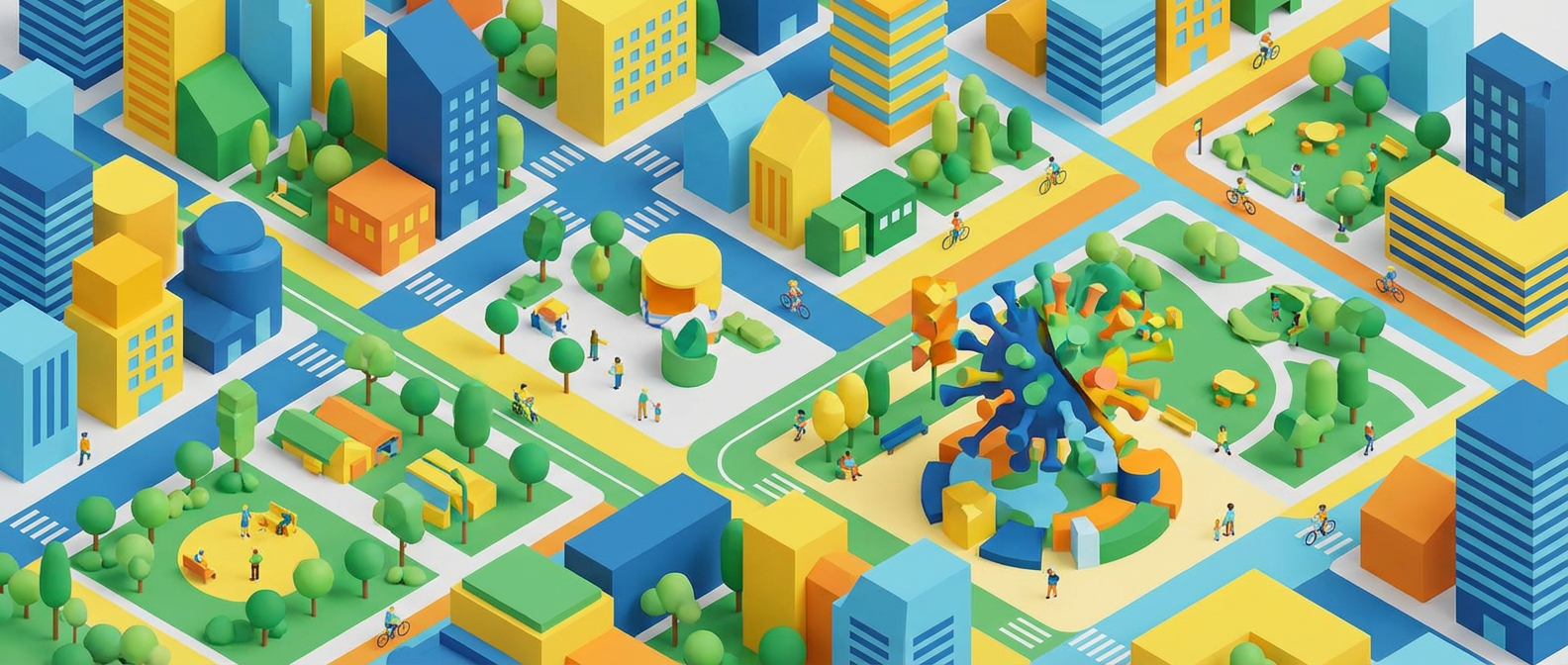
The numbers tell a brutal story. Office occupancy rates in downtown cores remain 30-50% below pre-pandemic levels in most major cities. But this isn’t just about empty buildings. When office workers vanished, they took with them the lunch crowds, the after-work drinks, the spontaneous cultural consumption that kept cities alive. The ripple effect destroyed not just restaurants and bars, but the entire ecosystem of urban serendipity.
Cities built their identity on density, on the beautiful friction of strangers bumping into each other. Now we have expensive ghost towns where the only people wandering the streets are tourists looking for an authentic urban experience that no longer exists.
The Cultural Carnage
Mid-size cities got hit the hardest. While New York and San Francisco could absorb some cultural institution closures, places like Portland, Austin, and Nashville watched their arts scenes implode. Small theaters, independent galleries, and experimental music venues that defined these cities’ creative identity shuttered permanently. The institutions that survived did so by becoming safer, more commercial, more boring.
This cultural flattening happened exactly when these cities needed their creative edge most. As CityLab urban culture coverage has documented, mid-size cities were supposed to be the winners of the pandemic migration. Instead, many became cultural wastelands populated by remote workers who brought their big-city salaries but not their appetite for local culture.
The result? Cities that look prosperous on paper but feel hollow in practice. Real estate prices soar while the venues that created the city’s appeal in the first place disappear. It’s a perfect storm of economic success and cultural failure.
The Gentrification Reckoning
The pandemic migration accelerated gentrification debates to a breaking point. Remote workers flush with tech money descended on previously affordable neighborhoods like digital locusts. They came seeking “authentic” urban experiences while systematically destroying the communities that created that authenticity.
Creative class displacement of working communities isn’t new, but the pandemic gave it steroids. Entire neighborhoods in cities like Boise, Raleigh, and Phoenix transformed overnight. The baristas, artists, and service workers who built these areas’ cultural character found themselves priced out by people who claimed to value what these communities represented.
Here’s the uncomfortable truth: many of these new residents genuinely believe they’re supporting local culture by moving to diverse neighborhoods and shopping at independent businesses. They don’t see how their presence fundamentally alters the economic dynamics that allowed that culture to exist. It’s cultural appreciation as cultural destruction.
What makes this particularly maddening is the narrative framing. Discussions about housing affordability and community displacement get repackaged as debates about “urban vitality” and “economic development.” As Curbed urban design analysis shows, the language of urban planning increasingly obscures these power dynamics rather than addressing them directly.
Policy Bandaids for Cultural Wounds
Cities are scrambling to rebuild their cultural ecosystems, but their solutions reveal how little they understand what they’ve lost. Night-time economy policies have become the hot new thing in urban planning circles. Cities are hiring “night mayors” and creating special districts for after-dark activities, as if culture is something you can legislate into existence.
The obsession with “third places” like coffee shops, libraries, and parks shows similar misunderstanding. Yes, these spaces matter for community building. But treating them as interchangeable units in a urban planning equation misses the point entirely. A Starbucks is not equivalent to the neighborhood coffee shop that hosted poetry readings. A corporate-sponsored park is not the same as the community garden that brought together immigrant families.
Meanwhile, local news deserts have left over 200 counties without any news coverage, gutting the civic discourse that once helped communities define their own cultural identity. Cities are trying to rebuild culture without the media infrastructure that once documented, critiqued, and celebrated local creative scenes.
The Authenticity Trap
Perhaps the cruelest irony is how the search for authentic urban culture keeps destroying the conditions that create it. Authenticity can’t be manufactured, but cities keep trying anyway. They create arts districts, fund public art installations, and zone for mixed-use development that’s supposed to recreate the organic neighborhoods that emerged naturally over decades.
The pandemic exposed how fragile these cultural ecosystems really were. It turns out that urban culture wasn’t just about having cool venues and diverse food options. It was about the economic relationships and social networks that supported creative risk-taking. When those disappeared, no amount of policy intervention could replace them.
We’re left with cities that have all the infrastructure of culture but none of its spirit. Beautiful buildings, exciting restaurants, impressive museums, but somehow missing the ineffable quality that made them feel alive. The question isn’t whether we can rebuild urban culture. It’s whether we’re brave enough to acknowledge what we’ve already lost.
What does authentic urban culture look like in your city right now? Have you noticed changes in the cultural landscape that policy discussions aren’t capturing? The conversation about post-pandemic urban identity is just beginning, and it needs voices beyond urban planners and real estate developers to get it right.