The short version: this matters more than the headline suggests.
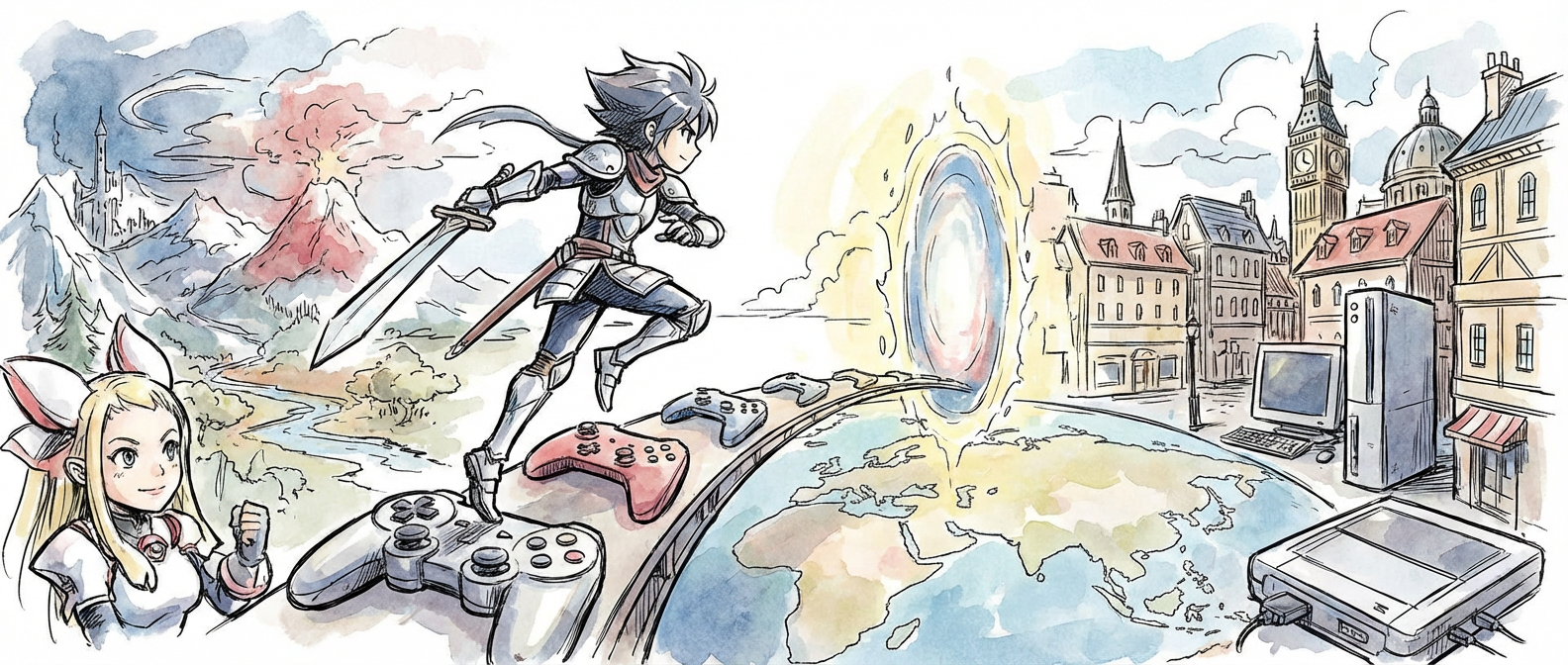
The Hidden Sophistication Behind Modern Game Design
The design systems behind modern gacha games are way more complex than most players realize. Understanding how they actually work changes everything about how you approach team building and spending decisions. What looks like colorful anime characters and flashy special effects actually hides detailed psychological frameworks designed to create addictive gameplay loops. These systems have grown far beyond simple collectible mechanics.
Here’s what I keep coming back to on this. The numbers tell part of the story, but only part.
Western markets have eaten this complexity up. Revenue from anime-styled games jumped by forty percent year-over-year in 2025, proving that good game design works everywhere regardless of art style. Players are getting that these titles offer real strategic depth, from complex character synergies to resource management systems that give traditional strategy games a run for their money.
The success comes partly because developers figured out that Western audiences want progression systems that actually mean something. Modern anime games stack multiple advancement tracks, seasonal content updates, and team-based gameplay that keeps communities hooked for months or years. This staying power creates dedicated player bases willing to invest serious time and money in their favorite titles.
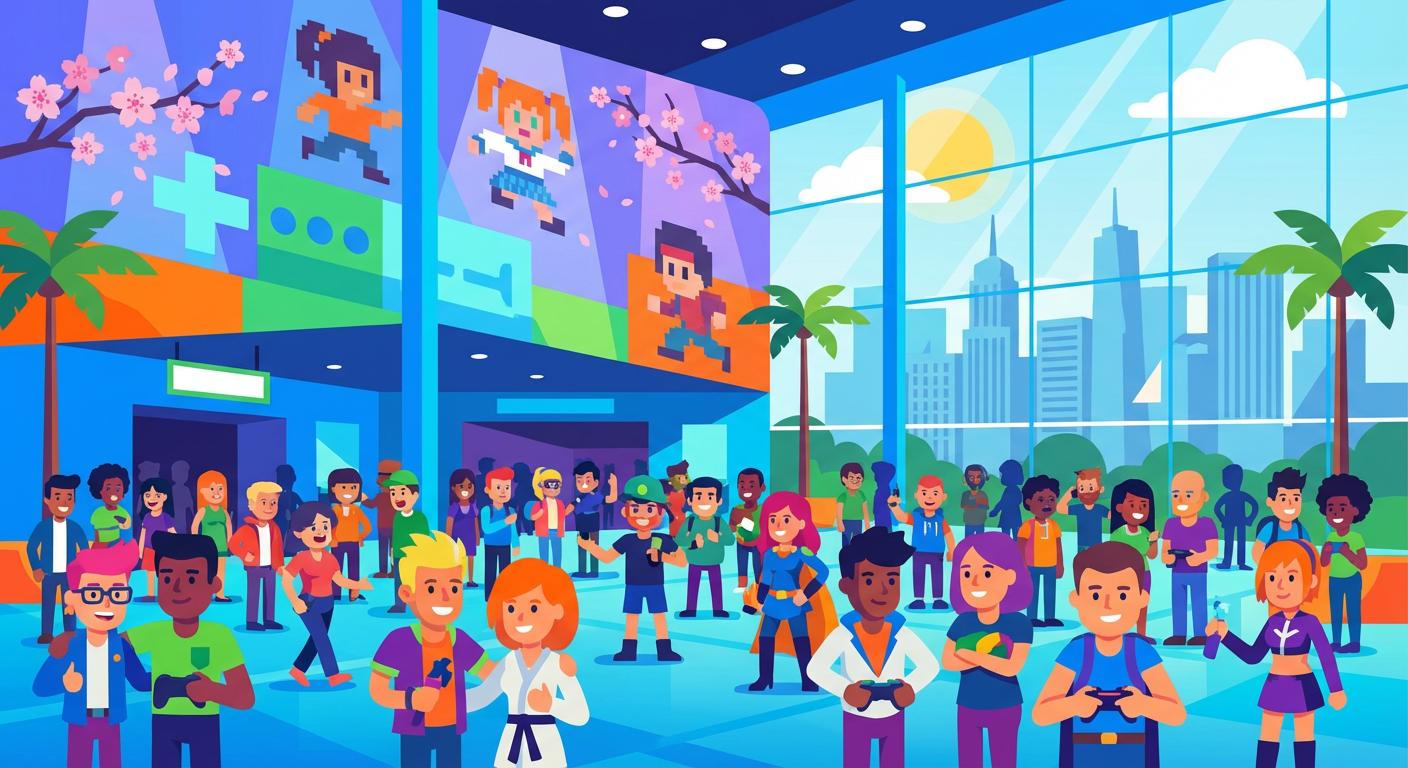
Breaking Down Cultural Barriers
Cultural resistance to anime-styled entertainment has basically vanished among players under thirty-five. This demographic shift is a huge change in how Western audiences see Japanese media aesthetics. What once seemed foreign or weird now feels familiar and appealing to millions of players who grew up watching anime, reading manga, and playing Japanese games.
Streaming platforms did a lot of the heavy lifting here. Services like Netflix, Funimation, and Crunchyroll gaming news made anime consumption normal across completely different demographics. The crossover audiences between anime streaming and gaming created obvious marketing opportunities that publishers jumped on fast.
Social media made this cultural acceptance even stronger. Platforms like TikTok and Instagram show anime game content right next to mainstream gaming videos, killing the stigma that once separated these communities. Young creators share complex gameplay strategies, character artwork, and game achievements without any sense that anime aesthetics are somehow separate from regular gaming culture.
The Localization Revolution
Massive improvements in localization quality have removed one of the biggest barriers to Western adoption. Publishers now throw serious money at professional English voice acting, cultural adaptation, and regional marketing campaigns that respect local preferences while keeping what made the games appealing in the first place.
Professional voice acting might be the biggest game-changer here. Early anime games often had terrible translations or awkward dubbing that immediately screamed “foreign product.” Today’s releases have Hollywood-level voice talent, smart script adaptation, and audio production that matches or beats Western-developed titles.
Beyond language, modern localization tackles cultural differences that affect how well players understand gameplay. Menu systems, tutorial sequences, and story elements get careful adaptation so Western players grasp complex mechanics without thinking about it. This attention to detail creates smooth experiences that feel designed specifically for local audiences rather than rushed translation jobs.
Content Creation and Community Building
Streaming content around gacha mechanics pulls millions of monthly YouTube views, creating a whole new entertainment category that mixes gaming and traditional media. Content creators discovered that audiences find character collection genuinely exciting to watch, whether they play the games themselves or just enjoy the thrill of virtual treasure hunting.
These streams work as unofficial marketing that reaches audiences traditional advertising can’t touch. Viewers develop real connections to specific games through their favorite creators, leading to organic user acquisition that costs publishers nothing. The relationships between streamers and audiences create trust that turns directly into game downloads and spending.
Community platforms like MyAnimeList gaming discussions build deeper engagement beyond casual consumption. Players share strategies, discuss character backstories, and coordinate team gameplay activities. These communities provide ongoing value that extends way beyond individual gaming sessions.
Western Development Embraces Anime Aesthetics
Independent developers across North America and Europe increasingly use anime-inspired art styles for original projects. This trend shows a real shift in how Western creators view Japanese aesthetic traditions. Rather than copying specific games or franchises, developers extract core visual principles and apply them to uniquely Western stories and gameplay concepts.
The adoption goes beyond surface-level visual elements. Western developers study anime games’ character progression systems, story pacing, and community engagement strategies. They’re realizing that these games succeed not just because of their art style but because of smart design philosophies that prioritize long-term player investment over quick satisfaction.
Convention attendance data backs up this growing acceptance. Anime gaming conventions now draw tens of thousands of attendees across North America, with many events selling out months ahead of time. These gatherings celebrate both imported titles and Western-developed games that use anime aesthetics, showing that the distinction between “anime games” and “Western games” matters less each year.
The transformation from niche import curiosity to mainstream entertainment category is one of gaming’s most significant cultural shifts. As younger demographics gain more market influence and cultural barriers keep dissolving, anime-styled games look positioned to capture even larger chunks of Western gaming revenue. The complexity underlying these seemingly simple mobile titles suggests this growth will continue for years to come.
For more on mobile gaming, gacha culture, and where the industry is heading, metatrend.app covers this space with the depth it deserves.
The best cultural moments reward close attention. This is one of them. Come find us, we’ll be the ones arguing about the opener.