The Algorithm Broke Something We’re Just Starting to Name
There’s this moment happening right now, and honestly, it feels like watching a whole era collapse in real time. Not dramatically. More like a slow exhale. For the first time in maybe a decade, young people are actively leaving the places they built their entire social lives on. Not because they got bored. Because they got tired of being watched.
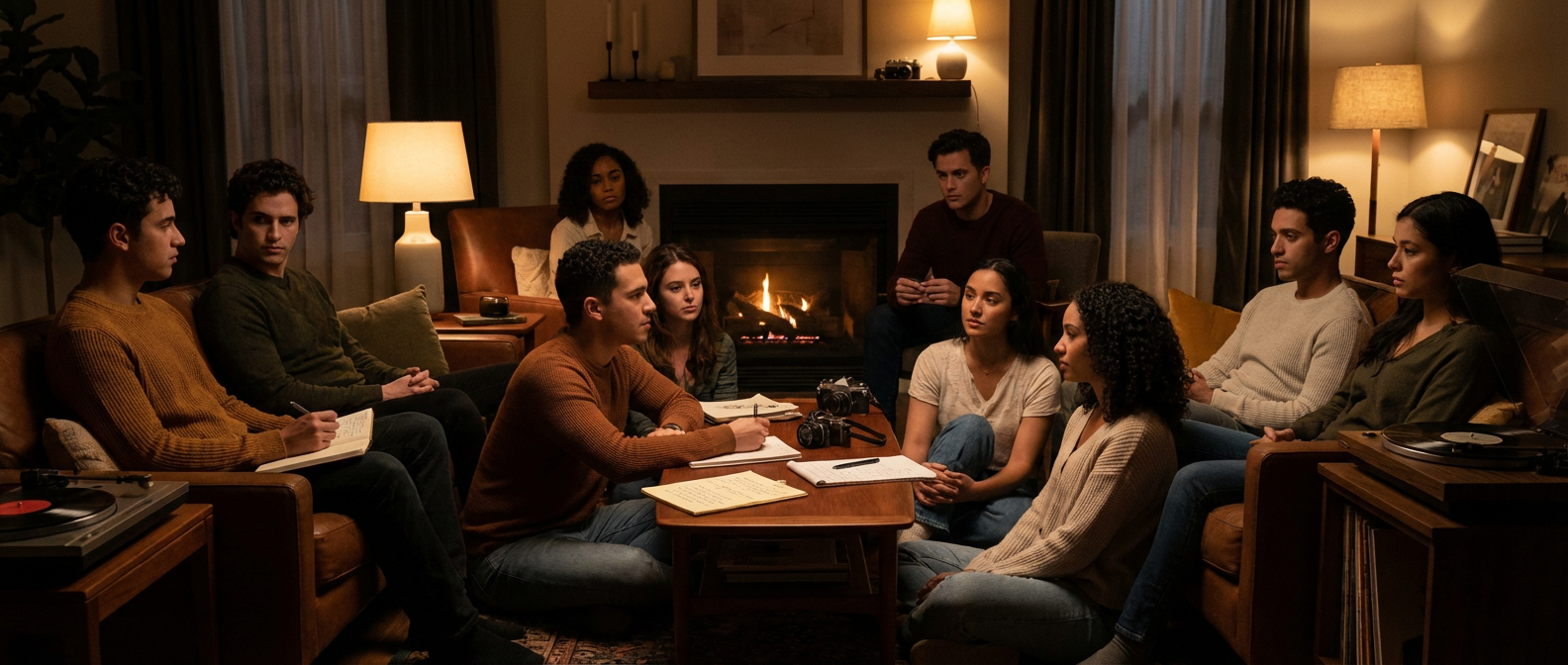
The numbers tell a story that’s almost impossible to ignore. More than half of Gen Z actively cut back their time on algorithmic social platforms last year. That’s not just scroll fatigue or a seasonal thing. That’s a fundamental shift in how an entire generation wants to exist in digital space. They’re voting with their thumb.
What’s replacing all of this? Something smaller. Quieter. Invite-only. The spaces Gen Z is moving toward aren’t trying to go viral. They’re trying to feel like something real.

Invite-Only Is the New Status Symbol
You know how there’s always that one coffee shop that somehow stays perfect because nobody talks about it? That’s what digital culture looks like now. Locket Widget, this little app that does one thing well—lets you share photos with close friends without any algorithmic interference—hit 30 million downloads early this year. Most of those users are Gen Z, and they’re not there because they want engagement metrics. They’re there because they want to remember what it felt like to share something with actual people.
The shift is pretty radical when you think about it. For the last fifteen years, the goal was reach. Followers. Impressions. Now the goal is literally the opposite. The smaller the audience, the better. The more exclusive the access, the more valuable the space. Culture just inverted itself.
Event platforms are feeling this too. Partiful Event Platform, which basically looks like Facebook events did back in 2007, raised twenty million in funding last year and grew its user base by four hundred percent year-over-year. People are ditching Eventbrite and Instagram Stories because they want to send a link to specific people. That’s it. That’s the feature they desperately want back.
Discord Servers Are Where Culture Actually Lives Now
Private Discord servers have become the primary community hub for basically everything that matters culturally right now. Art communities, music scenes, food collectives, fashion circles. These aren’t just group chats. They’re the new galleries, the new venues, the new record stores. There are sixty percent more of them than there were two years ago.
This matters because culture is becoming genuinely difficult to monetize again. You can’t run an ad into a private Discord server. You can’t tag a brand. You can’t game the algorithm because there is no algorithm. What you get instead is real curation. Real conversation. Real gatekeeping, if we’re being honest, but that’s kind of the point.
The people running these spaces are doing the actual work of community. They’re moderating thoughtfully. They’re setting tone. They’re saying no to things that don’t fit. Social media platforms automated all of that away with their engagement machines, and now it’s the whole reason people care enough to show up.
This Is What ‘Slowcial’ Actually Means
WGSN Consumer Futures Trend Forecasting started tracking something they’re calling “slowcial media” as a defining behavior of what comes after the algorithm era. It’s not just anti-tech sentiment. It’s a deliberate choice to slow down, be selective, prioritize depth over breadth. Think slow fashion movement, but for how you actually exist socially.
The difference between this and regular nostalgia matters. This isn’t people wanting to go back to 2007 because they miss it. It’s people actively recognizing that the infrastructure they were given broke something essential about how community works. Constant optimization, engagement metrics, algorithmic ranking—all of it incentivized performance over authenticity. Over time that became the entire culture.
Now people are asking a different question. What if we just didn’t do that? What if we built spaces specifically designed to resist those incentives? What if being exclusive wasn’t a failure of reach but the entire point?
What Gets Lost When Everything Is Invite-Only
Here’s the thing that keeps me up at night, though. The algorithmic platforms did solve a real problem. They made culture legible to people who weren’t already inside. If you wanted to know what was happening, the algorithm would show you. It was democratic in that messy, impersonal way. Now that Gen Z is moving toward entirely private spaces, we’re trading one problem for another.
The venues are disappearing. The public squares where culture used to collide and surprise itself. The places where someone without the right connections could still stumble into something that changed them. Those are real losses, and I’m not sure we’re fully reckoning with what it means culturally to move entirely toward vetted, closed spaces.
What we’re watching right now is a generation actively choosing intimacy over access. Small over big. Gatekeeping that comes from real human judgment rather than algorithmic ranking, over the false democracy of the feed. It’s not necessarily wrong. It’s just different. And different means we have to build differently too.
If you’re noticing this shift in your own life, I’d love to hear about it. What spaces are you moving toward? What are you actually leaving behind?